CeoTelechaje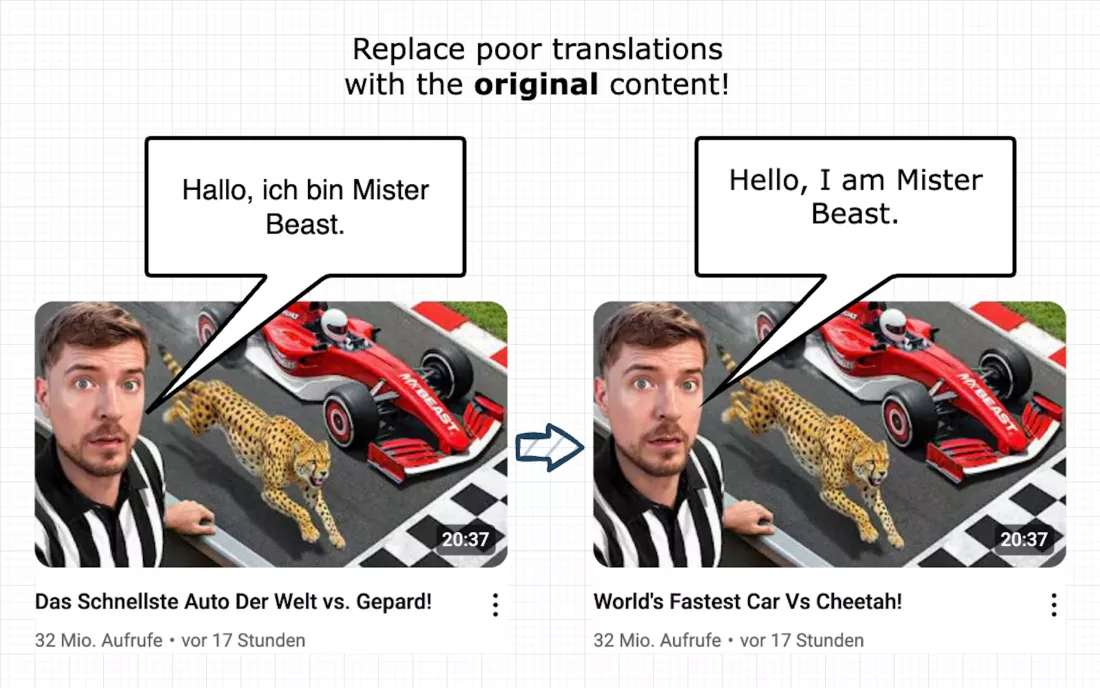
For years, watching a machine-dubbed video on YouTube could be a jarring experience. The audio often felt robotic, the translations were sometimes clunky, and the most distracting part of all? The speaker’s mouth movements never quite matched the words you were hearing.
That’s the long-standing problem Google is now trying to solve. At its recent ‘Made on YouTube’ event, the company announced a major upgrade to its auto-dubbing tech: AI-powered lip-syncing.
The goal is simple but ambitious: to make translated videos not only sound more natural but look more natural, breaking down language barriers and making content truly global.
How It Works and How to Get It
The new feature uses advanced AI models (reportedly including Gemini and Aloud) to do more than just translate words. It generates a new audio track that mimics the original speaker’s tone and emotion, and then visually adjusts their lip movements to match the new language.
For creators, it’s an opt-in feature within YouTube Studio. Initially, it’s being rolled out to members of the YouTube Partner Program for testing in 20 languages, including English, Spanish, French, and German.
The early results are promising. Some test creators have tripled their viewership from non-native speakers after adding multilingual audio tracks, highlighting the massive potential for audience growth.
The Other Side of the Coin: A Controversial Feature
Of course, YouTube’s auto-dubbing and auto-translation systems have never been without controversy. Many users, especially multilingual ones, have long criticized the features for a few key reasons:
- Preference for Originals: Viewers often want to hear the creator’s authentic voice.
- Spotty Quality: AI translations still can’t always match the nuance and accuracy of a human translator.
- No Global “Off” Switch: Perhaps the biggest frustration is the lack of a universal setting to disable auto-dubbing. You have to manually change the audio track on every single video, which has led to the rise of browser extensions like YouTube Anti-Translate that block it altogether.
Critics argue that even with better lip-sync, automated dubbing can strip away the authenticity and original intent of the creator.
The Bottom Line
This new technology sits at the center of a classic debate: accessibility versus authenticity.
Supporters see a future where creators can effortlessly reach a global audience, unlocking new revenue streams and sharing ideas across borders. Skeptics worry about the homogenization of content and the loss of the original performance.
Can AI lip-sync finally bridge the gap and make dubbed content feel genuine? The initial tests are positive, but the true verdict will come from viewers worldwide. One thing’s for sure: the push to make video a universal language is moving faster than ever.